
The Multi-Million Dollar Adoption Gap
At its core, an ERP project is a people project. Research shows that projects with excellent change management are much more likely to succeed. In the research I conducted to develop the Eight Pillars of ERP Success Framework, “change management” was cited almost twice as frequently as any other factor. I can help you manage the human side of your implementation, turning resistance into engagement.
Understanding Resistance to ERP Systems
Having experienced resistance to change for decades, I sought to get a deeper understanding of this issue and went back to school to get a master’s degree in Industrial-Organizational Psychology from Harvard University.
The well-established theory of psychological well-being described by Self-Determination Theory provides insight into why resistance to the change ERP transformations represent is so prevalent. This framework was the basis for the New York Times #1 best-seller “Drive: The Surprising Truth About What Motivates Us”.
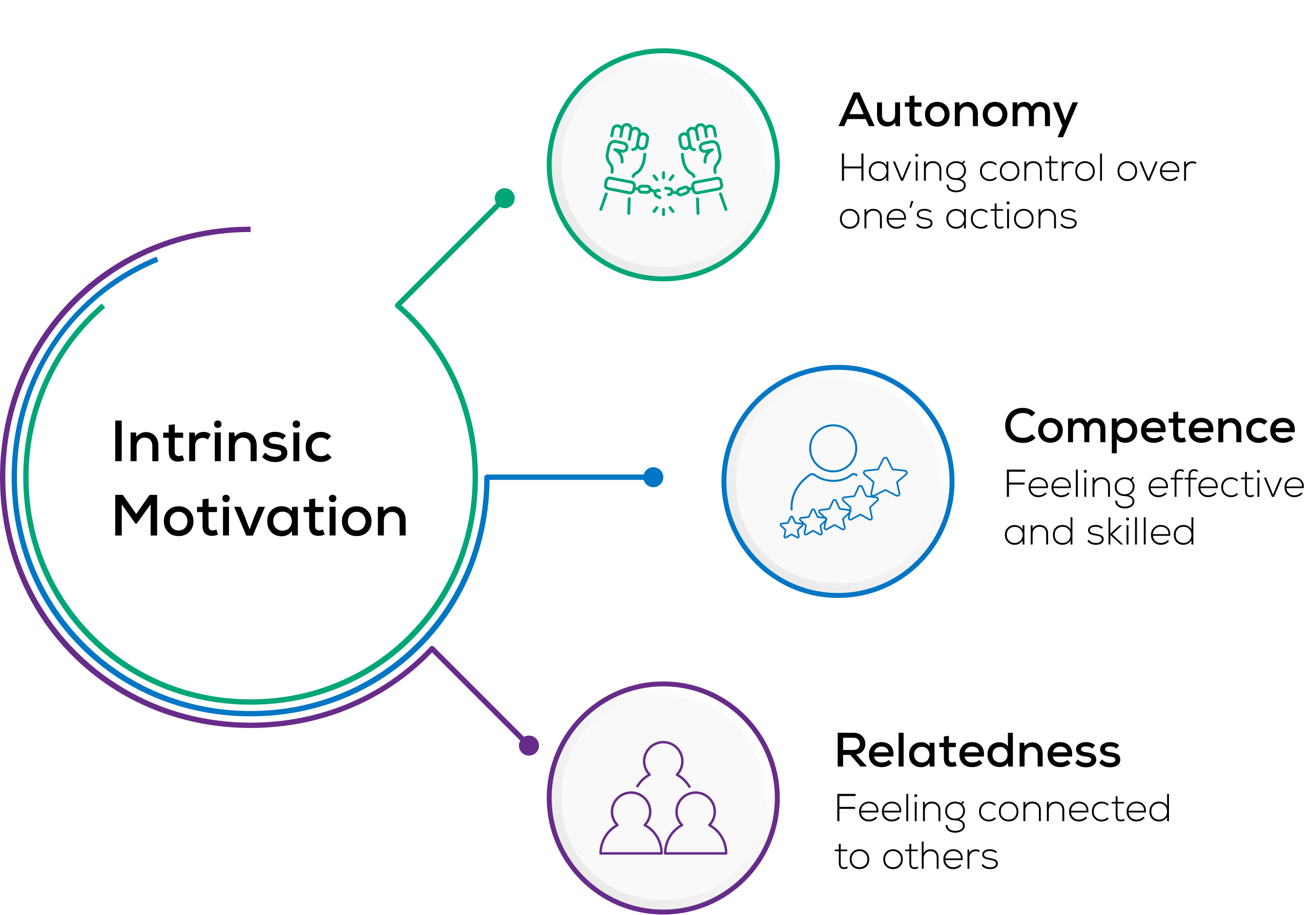
ERP systems threaten psychological well-being across each of the three levels needed for intrinsic motivation, diminishing autonomy, competence, and relatedness.
I used this insight to develop the ARC Method of ERP Change Management™, building on ADKAR as a foundation.
A Needs Based Approach to Change
I use evidence-based methods to understand the real-world impacts of change on your employees and provide them with the support they need to be successful.
- Stakeholder Engagement: I work with you to identify key stakeholders at all levels and build a coalition of champions for the change.
- Clear Communication: We develop and execute a communication plan that answers the “why, what, and when” of the change in a way that is clear, consistent, and credible.
- Readiness Assessment: We assess your organization’s readiness for change and identify potential areas of resistance so we can address them proactively.
- Targeted Training & Support: I help you design and deliver training and support programs that are tailored to the specific needs of different user groups.